



How Global Elections and Crypto Regulation News Move Digital Assets
For Beginners
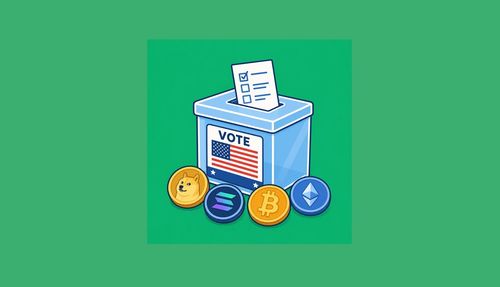
Tracking Crypto Regulation News as Global Elections Reshape Markets
The common practice among most crypto investors is to monitor the price action, ETF flows, the inflation rate, and central bank decisions. This is because few elections are given the same level of attention. It can turn out to be an expensive error.
Politics is a much greater part of the crypto picture today than a few years ago. Government regulators affect the functioning of exchanges, the regulation of stablecoins, and the freedom of crypto companies in a specific country. Such decisions can impact investor trust, liquidity and the investment capital into digital assets.
So, it's essential for many traders to follow crypto regulation news on a regular basis. The winners of the elections have an impact on the leadership of financial agencies, which laws are supported and how regulators will act during the next few years.
The United States remains one of the most influential crypto markets. Every election cycle brings new debates around digital asset regulation, stablecoins, taxation, and securities laws, making crypto regulation news today especially important for investors.
Additionally, Europe has emerged as a significant market for crypto companies. Under the Markets in Crypto-Assets Regulation (MiCA) framework, regulators have set in place more transparent rules for operation for many companies. Therefore, investors globally are interested in europe crypto regulation and european crypto regulation development.
The answer is quite straightforward: Markets prefer predictability. When investors know the rules, they feel at ease to make an investment decision. If there are any doubts about future regulation, more people become cautious about the market.
For crypto investors, elections have become another factor that deserves attention alongside inflation, interest rates, and broader economic trends. Understanding crypto regulation news, following major policy discussions, and paying attention to upcoming elections can help explain market moves that might otherwise seem unexpected.
Market Volatility Surrounding Political Transition Periods
Markets prefer clarity. Election years rarely provide it.
Before major votes, investors try to understand what the next government may do and how future regulation could affect the crypto industry. Will lawmakers support new digital asset legislation? Will regulators become more active? Will stablecoins face additional oversight? Most of these questions remain unanswered until elections are over.
As uncertainty grows, so does market volatility. Traders pay close attention to political developments because expectations often influence prices before any official decision is made.
During election periods, investors typically focus on:
- proposed crypto legislation and policy initiatives;
- statements from regulators and lawmakers;
- potential leadership changes at financial agencies;
- stablecoin and exchange regulation;
- broader economic policies that may affect risk assets.
This attention can create sharp market reactions. A major headline, policy announcement, or regulatory comment may influence sentiment, especially when investors are already focused on future regulation.
The effect is often strongest when elections involve major economies. Decisions made in the United States or the European Union can influence exchanges, stablecoin issuers, investment funds, and blockchain companies operating around the world.
Institutional Capital Flow Before Major Votes
Large investors generally avoid uncertainty whenever possible.
Before important elections, many investment firms review their exposure to risk assets, including crypto. Some reduce positions until they have a clearer understanding of future regulation. Others look for opportunities if they expect a more supportive environment for digital assets.
These decisions can affect liquidity across the market. When institutions become more cautious, trading activity may slow and volatility can increase. When confidence improves, capital often returns quickly.
This is one reason why traders closely follow crypto regulation news today. Markets frequently react to expectations before they react to actual legislation.
The Divergence Between US and European Compliance Mandates
The United States and Europe have taken different approaches to crypto regulation.
Europe moved forward with MiCA, giving crypto businesses clearer rules and compliance requirements. The United States continues to rely on a mix of regulatory actions, court decisions, and legislative proposals. As a result, investors regularly follow crypto regulation updates, crypto regulation enforcement news, and developments involving the SEC and CFTC.
These differences already influence where crypto companies choose to operate and expand. For investors, the takeaway is simple: major regulatory decisions in the US or Europe can affect sentiment across the entire crypto market, making crypto regulation news an important part of market analysis.
Campaign Rhetoric Versus Actual Legislative Output
Crypto markets often react long before any law is passed. Investors have already seen this pattern around spot Bitcoin ETF approvals, MiCA implementation in Europe, and ongoing stablecoin legislation in the United States.
During election campaigns, candidates regularly talk about innovation, financial freedom, digital assets, and economic growth. These statements can generate excitement among investors, especially when they suggest a more favorable environment for the crypto industry.
The problem is that campaign promises and actual legislation are rarely the same thing.
Many political candidates support broad ideas during election season because those messages appeal to voters and businesses. Once elections are over, governments face a different reality. Proposed laws must move through legislative processes, regulators become involved, and political compromises often change the final outcome.
This is one reason why experienced investors pay attention to both headlines and actions. Positive speeches can move markets temporarily. Long-term confidence usually depends on legislation and regulatory action.
The crypto market has seen this pattern multiple times. In some cases, politicians announce support for blockchain innovation, investors react, and then months pass before meaningful policy changes appear. Sometimes those changes arrive. Sometimes they never do.
That is why following crypto regulation news requires more than simply reading political statements. Investors need to watch for actual progress. Has a new crypto regulation bill been introduced? Are regulators publishing guidance? Are lawmakers actively debating digital asset legislation?
These developments tend to matter more than campaign slogans because they create real changes for exchanges, stablecoin issuers, investment firms, and blockchain companies.
For traders, the lesson is straightforward. Political promises can influence short-term sentiment, but markets eventually focus on results. Legislation gives investors a clearer picture of future regulation.
As a result, many market participants closely follow crypto regulation news today and broader crypto regulation updates after major elections. The most important developments often happen after the campaign ends and lawmakers begin turning political ideas into policy.
Leadership Shakeups at Primary Financial Watchdogs
One election can influence more than laws. It can also change the people responsible for enforcing them.
When a new administration takes office, leadership positions at major financial agencies often change as well. For the crypto market, some of the most important agencies are the SEC and the CFTC. Their decisions can affect exchanges, investment products, stablecoins, and blockchain companies operating in the United States.
Investors pay close attention to leadership changes after elections because new officials often bring different regulatory priorities. Markets typically react quickly, as a more supportive approach can improve sentiment while a tougher stance may increase caution.
Changing Enforcement Priorities at the SEC and CFTC
The SEC and CFTC play different roles in financial markets, but both have a significant impact on crypto.
For the last couple of years, crypto businesses have been carefully tracking the actions taken by these agencies as well as any lawsuits or guidance regarding regulations. These decisions have shaped the business world, the definition of tokens and investment products' availability to the market.
It is not necessarily the case that change in leadership will lead to an immediate change in regulation. But priorities for enforcement may change over time. New leadership could prioritize investor protection, transparency, exchange oversight, and/or the regulation of stablecoins.
This is why many investors are now actively looking for SEC crypto regulation news today, and other regulatory developments. Markets sometimes attempt to guess policy intentions prior to the enactment of policy.
Legislation is not the only factor that matters. Regulators can also influence the industry through guidance, investigations, and compliance requirements.
Hence, one of the reasons why the crypto regulation enforcement news is still a major topic in both pre- and post-election day. Investors will be interested in getting a sense of how regulators will be working with the market and which area of the industry they'll likely be focusing on in the near future.
Stablecoin Reserves as a Focal Point for Incoming Administrations
Few areas of crypto attract as much regulatory attention as stablecoins.
They are at the heart of the cryptocurrency industry, driving transactions, settlements, and international transfers. The growing popularity of adoption increasingly makes governments think of these as part of the larger financial system.
One issue stands above the rest: reserves.
Regulators are seeking to understand assets that support stablecoins, where they are held, and how frequently they are verified. The questions investors ask are the same since investors trust in a stablecoin based on trust in the reserves.
The debate has gained significant attention in the field of crypto regulation news. The discussion over reserve requirements, reporting requirements, and consumer protections for stablecoins issuers persists.
These discussions can be impacted by the results of the election. Investors stay up to date on crypto regulation news today and the progress of stablecoin regulation, as new administrations can introduce new priorities.
The United States remains a focus area and Europe has already added provisions with MiCA. These frameworks are helping to guide the future of stablecoin regulations.
Investors should remember that stablecoins are a central part of market liquidity, and their upcoming regulation may have an impact on the flow of assets throughout the crypto sector. That is why crypto regulation updates related to stablecoins continue attracting significant attention.
Adjusting Risk Models for Upcoming Legislative Cycles
All elections make headlines. Not all headlines have a long-lasting effect on the crypto market.
Investors should focus on developments that can genuinely affect the industry. Political headlines may create short-term volatility, but legislation and regulatory actions tend to have a longer impact on the market.
A pragmatic way is to concentrate on the topics that are always mentioned in the regulatory discussions. These usually include:
- stablecoin oversight and reserve requirements;
- exchange licensing and compliance rules;
- investor protection measures;
- digital asset classification;
- taxation and reporting requirements.
Regardless of which party wins an election, these issues remain at the center of crypto regulation updates across major markets.
Another factor to keep in mind is that, as with most things, regulatory changes are not sudden. The proposed crypto regulation bill could take months to get to the floor of the legislature. In that period, there are multiple market reactions that can occur once more information comes out.
But diversification offers a way to deal with political uncertainty. Instead of wagering their investments on election results, many investors are interested in longer-term trends like adoption, infrastructure development, and institutional involvement.
Regulation continues to evolve across the United States, Europe, and Asia, and major policy changes can influence market sentiment worldwide. While predicting every political decision is impossible, understanding regulatory trends and following crypto regulation news can help investors navigate a maturing crypto market.
FAQ
How do midterm elections affect crypto prices?
Midterm elections can influence investor expectations about future regulation. Markets often react to anticipated policy changes long before new laws are introduced.
What happens to crypto regulation if Congress changes parties?
A change in party control can affect legislative priorities, regulatory oversight, and the likelihood of new crypto-related bills moving forward.
How does a change in SEC leadership affect crypto regulations?
New SEC leadership can bring different enforcement priorities and regulatory approaches, which may influence how crypto companies operate.
Do EU election results impact global crypto regulation?
Yes. Regulatory decisions in the European Union can affect international crypto businesses and often influence discussions in other jurisdictions.
Why do newly elected governments target stablecoins first?
Stablecoins are widely used for trading and payments, making them a key area of focus for regulators concerned with financial stability and consumer protection.
Can a new administration cancel existing crypto executive orders?
In some cases, yes. New administrations can revise, replace, or revoke executive orders, although broader legislative and regulatory changes usually take more time.